Breakfast
Whole wheat bread (No. 1)
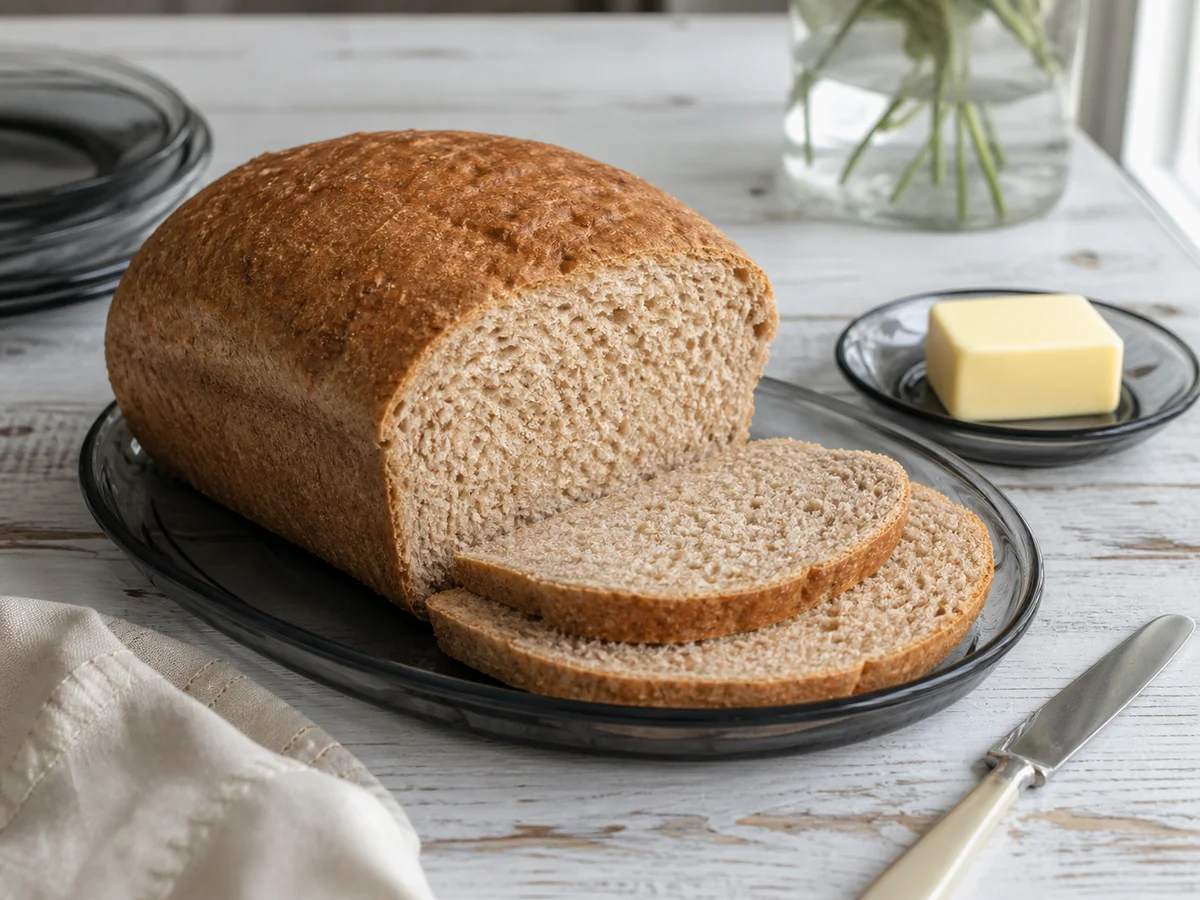
Whole wheat bread (No. 1), preserved from Marion Harland’s 1903 cookbook with ingredient cues including dissolve a cake of yeast in half a cupful of warm water.
Prep, cook, and serving values are clearly labeled editorial estimates. This transcription still needs a verified yield and modern kitchen adaptation before WorkLife will allow it to create a shopping cart.
From the cited source
Source ingredient cues
These cues were extracted from the historical method for discovery. Use the complete source method and citation alongside them.
- Dissolve a cake of yeast in half a cupful of warm water.
- Pour two cups of boiling water upon two cups of milk, and stir into them a teaspoonful, each, of salt and sugar.
- Into this stir a quart of whole wheat flour.
- Of course, flour varies in its thickening powers, but there should be enough to make a good batter.
- Beat hard for five minutes, then stir in more flour until you have a dough that is as soft as it can be handled.
- Knead for ten minutes on a floured board and set to rise for three hours.
- Knead again for five minutes;
- If the loaves are small they will bake in three-quarters of an hour.
Historical transcription
Source method
- 1
Dissolve a cake of yeast in half a cupful of warm water. Pour two cups of boiling water upon two cups of milk, and stir into them a teaspoonful, each, of salt and sugar. When they are about blood-warm add the yeast. Into this stir a quart of whole wheat flour. Of course, flour varies in its thickening powers, but there should be enough to make a good batter. Beat hard for five minutes, then stir in more flour until you have a dough that is as soft as it can be handled. Knead for ten minutes on a floured board and set to rise for three hours. Knead again for five minutes; make into loaves and let these rise. When light, bake. If the loaves are small they will bake in three-quarters of an hour.
Nutrition pending
No invented nutrition numbers.
WorkLife will publish nutrition and scalable serving quantities only after this historical transcription receives a measured modern adaptation.